Sunday, August 23, 2009

Treating Leucorrhea - Ayurvedic Way


Leucorrhea (Shweta Pradar)


This is one the commonest gynaecological disorders, which females generally suffer from, specially working women and those who lead a stressful life, often come to me for its ayurvedic treatment. So I m sharing this on this blog.

Leucorrhea is excessive discharge of fluid from the vagina other than menstrual blood. It is physiological (when it shows a few days before or after menstruation), colorless or whitish, odorless and non-irritating.
However, when pathological, it becomes colored, offensive, thick, acrid, and produces lower abdominal discomfort, lower back pain and itching of the vulva.

Leucorrhoea is a condition in which there is a whitish discharge from the vagina resulting from inflammation or irritation of the membrane lining the genital organs of the female.
It often occurs normally, but if excessive may be a symptom of infection. Leucorrhoea is a simple increase in the normal vaginal secretion.
established It may be thick,viscid and foul smelling. There is normally more discharge at puberty, when the sexual functions are becoming.
Leucorrhoea can also be classified as cervical leucorrhoea or vaginal leucorrhoea i.e., according to the place of its origin - cervix or vagina.

Symptoms
Following are the signs or symptoms that indicate the presence of this disease in females:


White discharge from the vagina accompanied by backache

  • General debility
  • Constipation
  • Headache
CAUSES

There are variety of reasons which cause leucorrhea. Some of them are listed below

FUNGAL INFECTION :- When the woman is infected by a fungus, then the discharge is thick and white accompanied by an itching sensation. This kind of discharge is also known as a Vaginal Thrush.

SEXUALLY TRANSMITTED DISEASES :- Some STDs can cause leucorrhea in women. The most popular of such STDs is Trichomoniasis. Such discharges are greenish or yellow.

UNHYGIENIC TOILET HABITS:- Sharing toilet articles, especially in public toilets. Women who rely a lot on vaginal medications are often victim of leucorrhea.

CERVICAL PROBLEMS:- Two kinds of problems with the cervix, the cervical erosion and the cervical polyp, can cause leucorrhea. Such leucorrhea is generally more profuse following sexual intercourse. This discharge is brown and resembles concealed blood.

PELVIC INFLAMMATORY DISEASES:- The pelvis gets inflamed due to an infection and cause leucorrhea.

DISEASE CONDITIONS:- Women who suffer from diseases such as tuberculosis or anaemia may have heavy discharges from their vaginas.

STRESS AND TENSIONS:- Women who live under stress and worries develop leucorrhea.

There are many causes of leucorrhea, the usual one being estrogen imbalance i.e. increase or decrease in levels of Vaginal discharge is normal for a woman, and all women are different. Causes of change in discharge include infection, malignancy, and hormonal changes. It sometimes occurs before a girl has her first period, and is considered a sign of puberty.

Leukorrhea may occur normally during pregnancy. This is caused by increased blood flow to the vagina due to increased estrogen. Female infants may have leucorrhea for a short time after birth due to their in-uterine exposure to estrogen.

After delivery, leucorrhea accompanied by backache and foul-smelling lochia (post-partum vaginal discharge, containing blood, mucus, and placental tissue) may suggest the failure of involution (the uterus returning to pre-pregnant size) due to infection. Investigations: wet smear, gram stain, culture, pap smear and biopsy.

TREATMENT ACCORDING TO MODERN SCIENCE
Generally patients are prescribed symptomatically, and given basically for the vaginal thrush, which usually doesn’t give much relief. Even if they give they are not for long terms.

AYURVEDIC APPROACH

Causes / Dosha
In this ailment kapha dosha is responsible for originating this disease.

Pathogenesis

This ailment is the result of aggravation of kapha dosha in the female body due to certain
diets and lifestyle. Aggravated kapha contaminates the vagina and produces stickiness and itching in the vagina accompanied by a thick white discharge.

Treatment


The medical treatment given to women in this ailment is as follows:
The single drugs (ekari dravyas) used in this case are very effective and beneficial.
Some of them are given below.

Lodhra (Symplocos racemosa)


It has antimicrobial and anti inflammatory effect. It is used in leucorrhea, diarrhea , blood disorder and skin disorders. It also has a cooling effect and is used as a cardiotonic, antipyretic, anthelmintic and laxative. It is also used to alleviate stomachache, and is believed to promote appetite.

SARACA ASOCA (ASHOKA)
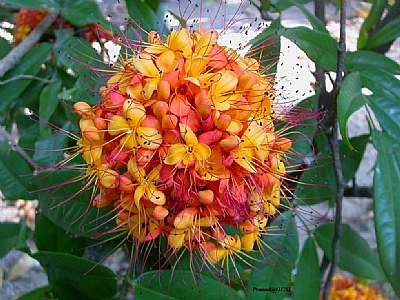
It has oxytocic, antibacterial, anti-implantation, antitumour, antiprogestational, antioestrogenic, activity against leucorrhea, menorrhagia and carcinogenic growth..


NIRGUNDI (VITEX NIGUNDO)


Nirgundi has anti helminthic, anti inflammatory and germicidal properties. It is useful in several diseases like loss of appetite, diarrhea, fever, skin and bleeding disorders along with leucorrhea. It also rejuvenates hair.

AZADIRACHTA INDICA (NEEM)


Neem has anti allergic, anti enzemic, anti fungal, anti dermatic, anti inflammatory, larvicidal, bacticide and many more. Due to all these properties it is very beneficial in leucorrhea, skin disorders, malaria, tuberculosis, renal diseases, wounds and the list goes on.


EMBILICA OFFICINALS (AMLA)


Amla is the best source for Vitamin C. It also has anti oxidant and detoxification properties. It is well known for treating skin disorders and hair problems. It is a strong rejuvenative. Along with leucorrhea it treats eye problems, scurvy, haemorrhage, dysentery, strengthens immune system and prevents respiratory disorders.


AYURVEDIC FORMULATIONS


There are many formulations but I am denoting some common and the most effective ones.

  • Pradrank Churna
  • Pushyanug Churna
  • Pradarantak Lauh
  • Chandraprabha Vati
  • Ashokarishta

Some home made remedies are also useful in this ailment.

  • Jeera (Fenugreek) kwath(decoction).
  • Mand (Rice gruel).
  • Amla with honey.

PANCHKARMA

Triphala kwath dhawan. (Washing of vaginal area with freshly prepared triphala kwath, make sure that the triphala churna is also fresh.)

  • Awgah ( Sitz bath)
  • Uttar Basti (Vaginal douche)
  • Dhoopan (Fumigation)

YOGASAN

  • Sarvagasana
  • Halasana
  • Padmasana
  • Bhujangasana
  • Shalabhasana
  • Paschimottanasana

DO’S and DON’T’S

  • Mind must be pure.
  • Sexual intercourse during treatment must be reduced or avoided.
  • Avoid reading, watching or listening to sexually stimulating materials.
  • Sattvic, easily digestible food should be taken at regular intervals.
  • Non-vegetarian foods, excessive amount of puddings, garlic, onion, pickles, potatoes, sour foods, excessive fried and greasy food must be avoided.
  • Bowels must be well cleansed regularly.

These are the effective and beneficial methods of Ayurveda to cure along with long term relief from this ailment.


For more details and queries please contact:-

dr.ohmi@gmail.com

C/O Dr.Amrita Priyadarshini (Consultant)

BAMS, (BVU, Pune) PGDEMS (UK)

Member of DHARMA AYURVEDA SOCIETY.


......Click Here to Read More!

Sunday, August 16, 2009

Ayurvedic Medication of Swine Flu


Ayurvedic Medication of Swine Flu


Method of intake
Single Drug can be taken in the form of
  1. Powder
  2. Decoction
  3. Raw (ex: leafs)
Multi Drugs can be taken with
  1. With Medicated Decoction
  2. With Luke Warm Water
  3. With Honey

Doses
Doses of these Drugs are deiced on the basis of age, sex, agni (Digestive Power), body constitution (prakruti).

Action of Drugs

  • The Ayurvedic treatment of swine flu is aimed at treating the symptoms, controlling the virus, and preventing complications by boosting the immune status of the body. Medicines like Tribhuvan-Kirti-Ras, Sitopaladi-Churna, Triphla-Guggulu, Maha-Sudarshan-Churna, Shwas-Kuthar-Ras, Laxmi-Narayan-Ras, Sut-Shekhar-Ras and Samshamani-Vati can be used to treat the flu-like symptoms of fever, bodyache and cough.
  • Herbal medicines like Chirayta (Swertia chirata), Tulsi (Ocimum sanctum), Pippali (Piper longum), Vishwa (Zinziber officinalis), Haridra (Curcuma longa), Som (Ephedra vulgaris), Dhatura (Dhatura fastiosa) and Kantakari (Solanum xanthocarpum) can also be used for this purpose.
  • Gastro-intestinal symptoms can be treated using medicines like Panchamrut-Parpati, Kutaj-Parpati, Kutaj-Ghan-Vati, Laghu-Sutshekhar-Ras and herbal medicines like Vishwa, Kutaj (Holarrhina antidysentrica), Musta (Cyperus rotundus) and Bilva (Aegle marmelos).
  • Herbal medicines with antiviral activity can be used to prevent or reduce the effects of the viral infection. These medicines include Yashtimadhuk (Glycyrrhiza glabra), Tulsi, Bhumiamalaki (Phyllanthus niruri), Haridra, Daruharidra (Berberis aristata), Kutki (Picrorrhiza kurroa), Chitrak (Plumbago zeylanica) and Amalaki (Emblica officinalis).

Maintenance Treatment

  • To boost the immune status of the body in order to bring about a faster recovery and prevent complications. This can be done by using medicines like Shatavari (Asparagus racemosus), Ashwagandha (Withania somnifera), Bala (Sida cordifolia), Naagbala (Grewia hirsuta), Abhrak-Bhasma, Suvarna-Bhasma, Laghu-Malini-Vasant, Madhu-Malini-Vasant, Suvarna-Malini-Vasant and Suvarna-Parpati.

For more details about ayurvedic treatment of swine flu contact

Dharma Ayurveda Society

C/o Dr. Prashant Tiwari(MD scholar)BVU Pune, B.A.M.S.(Gold Medal), PGDEMS (UK)

E-mail : dr.prashanttiwari@gmail.com,tprashant27@yahoo.com .


......Click Here to Read More!

Saturday, August 15, 2009

Answer of Ayurveda to Swine Flu


Answer of Ayurveda to Swine Flu
1. What is flu?
2. What are its types, sub types?
3. What is Swine Flu?
4. Mode of transmission.
5. What are the symptoms of swine flu?
6. Incubation period of swine flu?
7. How is swine flu (H1N1) diagnosed?
8. Preventive Measures for swine flu.
9. Allopathic treatments.
10. Ayurvedic Answer
10.1. Herbal treatment
10.2. Animal product treatment
10.3. Aroma Treatment
10.4. Diet Treatment

1. What is Flu?


Influenza, commonly referred to as the flu, is an infectious disease caused by RNA viruses of the family Orthomyxoviridae (the influenza viruses), that affects birds and mammals. The name influenza comes from the Italian influenza, meaning "influence" (Latin: influentia).

2. What are its types, sub types?

There are three types of influenza viruses A, B and C.
Only influenza A virus are further classified by subtype on the basis of two main surface glycoprotein’s hem agglutinin (HA) and Neuraminidase (NA).
Human can be infected with influenza type A, B and C viruses.
Subtypes of Influenza A that are currently circulating among people worldwide include H1N1, H1N2, H3N2 viruses.

3. What is the swine flu?
The swine influenza A (H1N1) virus that has infected humans in the U.S. and Mexico is a novel influenza A virus that has not previously been identified in North America. This virus is resistant to the antiviral medications amantadine (Symmetrel) and rimantadine (Flumadine), but is sensitive to oseltamivir (Tamiflu) and zanamivir (Relenza). Investigations of these cases suggest that on-going human-to-human swine influenza A (H1N1) virus is occurring.

4. What is the Mode of Transmission of Swine flu?
Influenza A (H1N1) is transmitted through the air by coughs or sneezes, creating aerosols containing the virus. Influenza can also be transmitted by bird droppings, saliva, nasal secretions, feces and blood. Infection can also occur through contact with these body fluids or through contact with contaminated surfaces. Airborne aerosols have been thought to cause most infections, although which means of transmission is most important is not absolutely clear.

5. What are the symptoms of swine flu?
Although uncomplicated influenza-like illness (fever, cough or sore throat) has been reported in many cases, mild respiratory illness (nasal congestion, rhinorrhea) without fever and occasional severe disease also has been reported. Other symptoms reported with swine influenza A virus infection include vomiting, diarrhea, myalgia, headache, chills, fatigue, and dyspnea. Conjunctivitis is rare, but has been reported. Severe disease (pneumonia, respiratory failure) and fatal outcomes have been reported with swine influenza A virus infection. The potential for exacerbation of underlying chronic medical conditions or invasive bacterial infection with swine influenza A virus infection should be considered.

6. What is the Incubation Period of Swine flu?
The typical incubation period for influenza is 1-4 days (average: 2 days). Adults shed influenza virus from the day before symptoms begin through 5-10 days after illness onset. However, the amount of virus shed, and presumably infectivity, decreases rapidly by 3-5 days after onset in an experimental human infection model. Young children also might shed virus several days before illness onset, and children can be infectious for 10 or more days after onset of symptoms. Severely immunocompromised persons can shed virus for weeks or months.

7. How is swine flu (H1N1) diagnosed?
Swine flu is presumptively diagnosed clinically by the patient's history of association with people known to have the disease and their symptoms listed above. Usually, a quick test (for example, nasopharyngeal swab sample) is done to see if the patient is infected with influenza A or B virus. Most of the tests can distinguish between A and B types. The test can be negative (no flu infection) or positive for type A and B. If the test is positive for type B, the flu is not likely to be swine flu (H1N1). If it is positive for type A, the person could have a conventional flu strain or swine flu (H1N1). Swine flu (H1N1) is definitively diagnosed by identifying the particular antigens associated with the virus type. In general, this test is done in a specialized laboratory and is not done by many doctors' offices or hospital laboratories. However, doctors' offices are able to send specimens to specialized laboratories if necessary.

8. What are the Preventive Measures for swine flu?
-Separation from others in single room if available until asymptomatic. If the ill person needs to move to another part of the house, they should wear a mask. The ill person should be encouraged to wash hand frequently and follow respiratory hygiene practices. Cups and other utensils used by the ill person should be thoroughly washed with soap and water before use by other persons.

-Preventive measures to prevent the spread of flu are often undertaken by those people who have symptoms. Symptomatic people should stay at home, avoid crowds, and take off from work or school until the disease improves or medical help is sought. Sneezing, coughing, and nasal secretions need to be kept away from other people; simply using tissues and disposing of them will help others. Quarantining patients is usually not warranted, but such measures depend on the severity of the disease.

-When it is absolutely necessary to enter a crowded setting or to have close contact3 with persons who might be ill, the time spent in that setting should be as short as possible. If used correctly, facemasks and respirators may help reduce the risk of getting influenza, but they should be used along with other preventive measures, such as avoiding close contact and maintaining good hand hygiene. A respirator that fits snugly on your face can filter out small particles that can be inhaled around the edges of a facemask, but compared with a facemask it is harder to breathe through a respirator for long periods of time.

9. What is the Allopathic treatment of swine flu?
Empiric antiviral treatment is recommended for any ill person suspected to have swine influenza A (H1N1) virus infection. Antiviral treatment with either zanamivir alone or with a combination of oseltamivir and either amantadine or rimantadine should be initiated as soon as possible after the onset of symptoms. Recommended duration of treatment is five days. Recommendations for use of antivirals may change as data on antiviral susceptibilities become available.

10. Ayurvedic Answer.
Ayurveda has various sources to improve the immunity of a person (either patient or healthy human) with the help of Ayurvedic remedies like herbs, animal products and dietary regime we can combat against swine flu virus.

10.1. Herbal treatment
Herbs like Guduchi Tinospora cordifolia, Amalaki Emblica Officinalis , Tulsi Ocimum tenuiflorum, Pippli Piper longum, Kali Mirch Piper Nigrum, Yashtimadhu Glycyrrhiza Glabra, Dal Chini Cinnamomum Cassia has potent immunomodulatory antioxidant and immunostimulatory activities.

Guduchi (Tinospora cordifolia)
Guduchi has potent immunomodulatory and immunostimulatory activities, which increase the levels of antibodies and activate macrophages.
It also has antimicrobial, antioxidant activities.
It also significantly improve bacterial clearance as well as improved bacteria fighting capacities of cells of the immune system. Tinospora cordifolia effectively suppresses oxidative stress and there by helps the body fight infections.

Amalaki (Emblica Officinalis)


Emblica is perhaps the single most often mentioned herb in Caraka Samhita. Emblica is widely used as traditional medicine to treat many diseases its infection fighting & immunomodulatory actions are well known. Emblica officinalis has been proven to have potent antimicrobial, antioxidant & immunostimulating activities.

Tulsi (Ocimum tenuiflorum)
Tulsi has immunomodulatory antioxidant and anti- inflammatory action and also improves the phagocytic and intra cellular bactericidal capacities of neutrophils.

Pippli (Piper longum), Kali Mirch (Piper Nigrum)
Has potent immunomodulatory antioxidant and immunostimulatory activities.

Yashtimadhu (Glycyrrhiza glabra)
It modulates the immune system and has remarkable immunostimulant properties glycyrrhizin from G. glabra exhibits potent antiviral activity.

Dal Chini (Cinnamomum Cassia)
Has potent immunomodulatory antioxidant and immunostimulatory activities. Hence decreases the symptoms of swine flu. It also have aroma factor too.

10.2 Animal Product treatment (Gau Colostrums)
Gau Colostrum i.e Cow Colostrum
Postpartum cow colostrum within 12 hours, contained IgG immunoglobulin and growth factor IgF particularly rich, high human colostrum than 100 times, Is a noble natural immune green food. So highly useful against swine flu.

10.3 Aroma Treatment
Eucalyptus oil i.e. Nilgiri oil can be used as one of the preventive measures against swine flu as it exhibits potent antiviral activity.

10.4 Diet Treatment
As a general measure, following should help to build up one's immunity: Observing good diet according to your Agni, avoiding bad food combinations as advised by ayurveda, practicing ayurvedic dinacharya (daily routine), and ritucharya (routine according to season). Judicious use of herbs according to season and constitution would be a good idea.

For more details about ayurvedic treatment of swine flu contact
Dharma Ayurveda Society
C/o Dr. Prashant Tiwari
(MD scholar) BVU Pune, B.A.M.S.(Gold Medal), PGDEMS (UK)
E-mail : dr.prashanttiwari@gmail.com, tprashant27@yahoo.com .

......Click Here to Read More!

Sponsored Links